Hope is rarely treated as something dangerous. Across literature, religion, and philosophy, it is often imagined as the force that enables human beings to endure suffering and imagine a life beyond it. Stories, too, depend upon this assumption. We continue reading because we believe that something might change: the detective may solve the crime, the…
Category: Pages and Perspectives
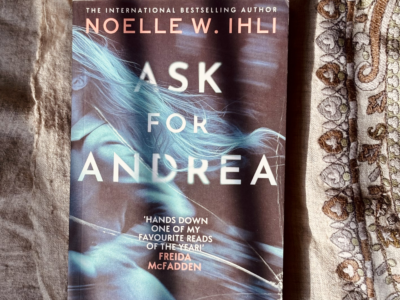
The Elegy of the Ghost Narrator: On Noelle Ihli’s Ask for Andrea
Narration from beyond the grave occupies a peculiar place in fiction. It borrows the language of the supernatural while often pursuing entirely different ends. Rather than using death as a source of terror, many works employ the dead narrator to extend the boundaries of memory, allowing the story to continue after the point where an…
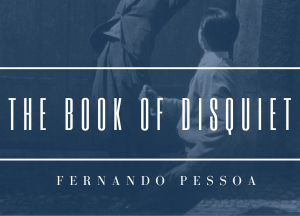
In the Quiet: Reflections on Pessoa’s The Book of Disquiet
There’s no concise way to respond to a book like The Book of Disquiet. It invites wandering and welcomes uncertainty—so this reflection does the same. The Book of Disquiet can feel slippery and confusing at first, especially because it doesn’t follow a traditional narrative. It’s more like a mosaic of moods, thoughts, and philosophical musings…
What We Choose Not to See: On Kawabata’s Dandelions
Some books don’t try to be understood—they ask to be felt, quietly, like grief that never quite finds a voice. Dandelions by Yasunari Kawabata is one of those books. Sparse and unsettling, it unfolds in fragments—half-formed memories, overheard conversations, ambiguous fears. Nothing quite resolves. And yet, within that ambiguity lies a piercing clarity: a meditation…
Is This My Classics Era? A First Encounter with Dostoevsky
I’ve never been a fan of the classics. At least, not until recently. Sure, I’ve picked up a Jane Austen here, a Virginia Woolf there—mostly because everyone else was reading them. But I never truly gave them a fair shot. I skimmed, read half-heartedly, and rarely paused to take in the writing or what it…